











Now Available: Blank Foundation’s 2025 Annual Report
The Arthur M. Blank Family Foundation’s 2025 Annual Report is here, highlighting a year of...
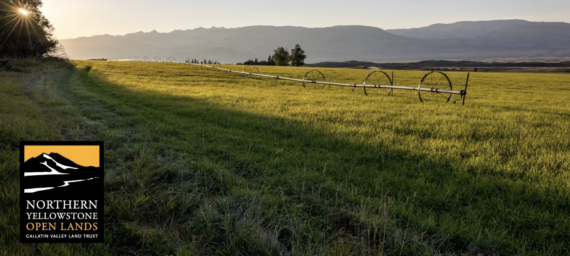
The grasslands of Montana and the Northern Great Plains are among the most threatened ecosystems in North America. Known for rich biodiversity and agricultural productivity, the grasslands play a crucial role in supporting both local and global ecosystems and economies. The ranchers who work this land are at the forefront of environmental stewardship and adaptation to modern environmental challenges, and two Montana organizations, the Ranchers Stewardship Alliance and Winnett ACES, are building the infrastructure to ensure that this important work continues into the next generation.
The Ranchers Stewardship Alliance (RSA) was formed in 2003 by Montana ranching families united in their desire to keep the grasslands of Montana and the Northern Great Plains intact. RSA’s rancher-led land conservation model emphasizes peer-to-peer learning to help multi-generational and beginning ranchers build relationships and community-based solutions as they steward healthy working landscapes.
In 2025 alone, the organization’s conservation efforts resulted in 866 acres of land being reseeded to native grass, nearly 21,000 acres were enrolled in improved grazing systems and five miles of fence were replaced or updated to allow for safe wildlife passage.
Then in October 2025, RSA received the largest working ranch land planned gift in the history of the state of Montana, securing the land for future generations. Dale Veseth, the vice president of RSA and a founding member of the organization, and his wife Janet announced the donation of their 38,300-acre ranch to ensure that the land isn’t lost to outside interests and remains an active, working landscape that benefits the local community.
“This generous gift will help support this area’s way of life and further solidify their legacy of responsible ranching and land conservation,” said Angel DeVries, executive director of RSA.
When the Veseths officially retire, RSA plans to lease the land to local ranchers. This type of succession planning benefits both Montana’s ranching industry and conservation efforts. Rural communities gain expanded opportunities for the next generation of ranchers, and the land remains in the care of stewards committed to conservation innovation and climate-smart agricultural practices.
“Their intent was to keep [the land] in agriculture production,” said DeVries. “There are a lot of different land leverage models out there that have proven to be rather successful. The first and foremost being the grassbank model of running cattle in common, and utilizing regenerative and conservation practices with good grazing management. It allows local producers to access grass for their livestock when they otherwise may not have had access due to high land prices.”
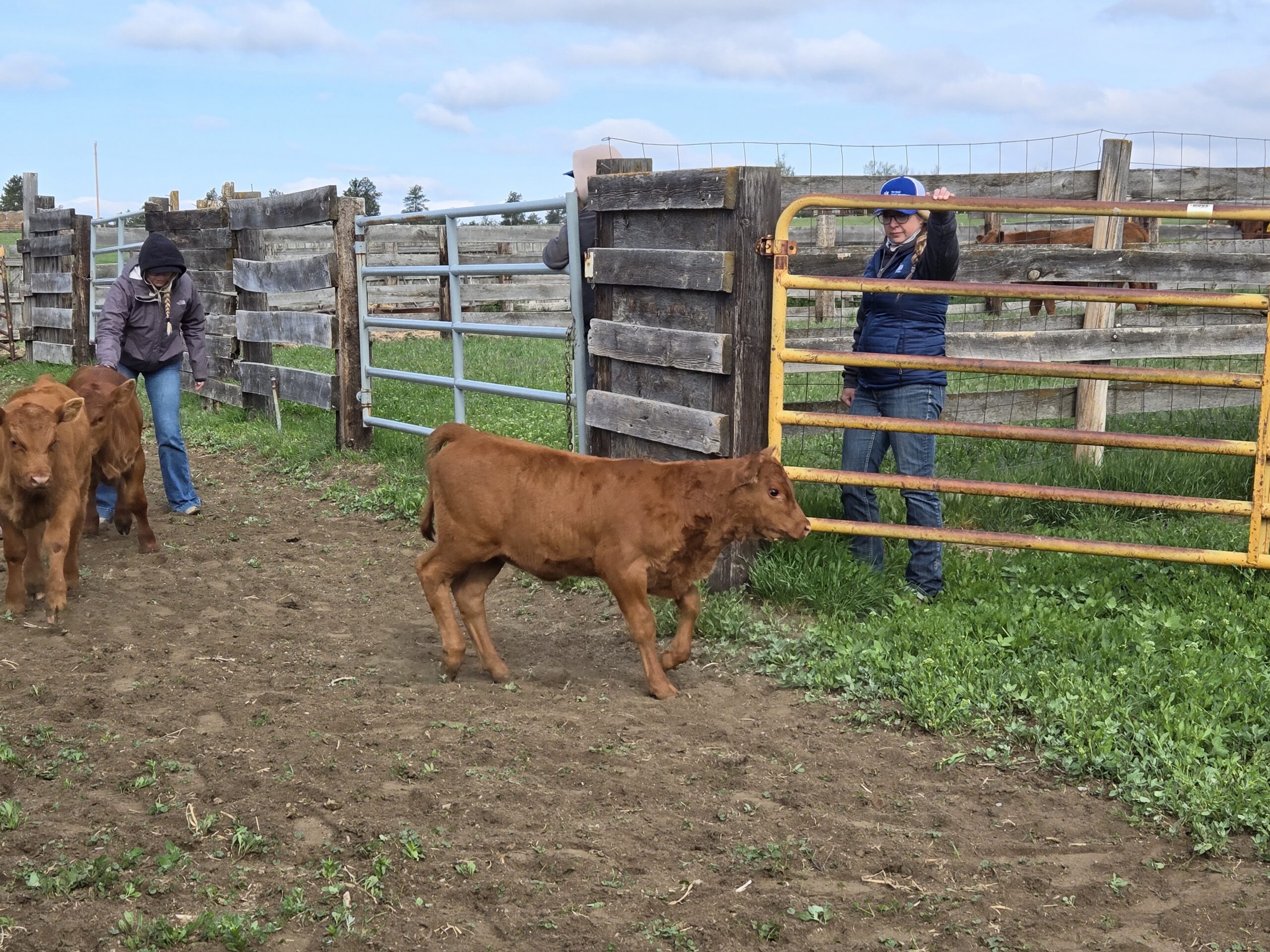
Protecting the land is only half the equation. The other half is making sure there’s a new generation of ranchers ready to manage it, when their turn comes up. That’s the idea behind the Montana Ranch Boot Camp, launched in 2025 by RSA in partnership with Winnett ACES, a rural community organization focused on strengthening the health of the land, economy and traditions through conservation, community enhancement and working lands programs.
“From the beginning, both organizations recognized that developing the next generation of ranchers would require a collaborative approach that leveraged the strengths, experiences and networks of our rancher-led organizations,” said Laura Nowlin, executive director of Winnett ACES.
The weeklong boot camp gives beginning ranchers and agricultural students hands-on training in the skills a working ranch requires: fencing, grazing systems, irrigation, fire and vehicle safety, water systems and cattle handling and branding. Every session is led by experienced ranchers, conservation professionals and educators.
“We view this as a way to truly give our next agriculturalist, our next conservationist, our next people who are going to be on the ground stewarding land a better appreciation and understanding for what they’re doing — for the livestock, the wildlife and the land,” said DeVries. “And they get to learn alongside people who’ve been doing it for decades and learn different styles.”
Protecting the Northern Great Plains as an invaluable natural and economic resource requires both preserving the land itself and preparing the people who will manage it. Successful ranch succession planning and conservation efforts will ensure that these tens of thousands of acres of intact grasslands will be there for future generations, when they are ready to take over. Meanwhile, programs like the Montana Ranch Boot Camp train the ranchers who will steward the land moving forward. Together, RSA and Winnett ACES are building a future for Montana ranching that strengthens local communities, protects a globally significant ecosystem and helps secure the food supply that we all depend on.

Stay up to date with stories of impact, grants in your neighborhood and other interesting foundation news.