






The Power of Peace: Quaniya’s In Her Hands Journey
From Doubt to Deposit It was just after midnight when Quaniya “Q” Ferguson and a...
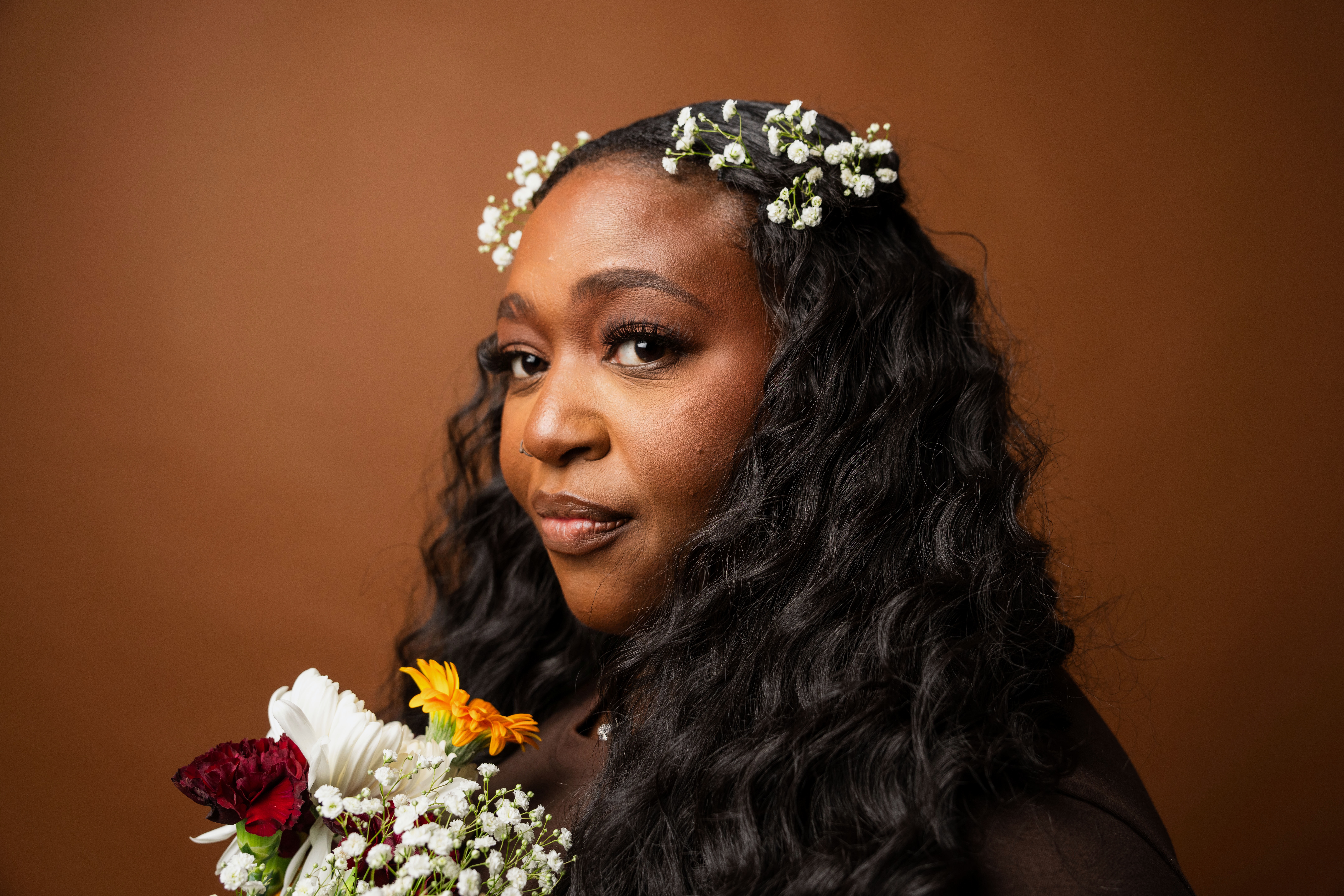
Two streets from Shemeka’s home in Atlanta’s Westside sits the last house where Dr. Martin Luther King Jr. lived before his assassination. The proximity isn’t lost on her—it feels like divine placement, especially given her participation in a program inspired by Dr. King’s vision for guaranteed income as a pathway to economic justice.
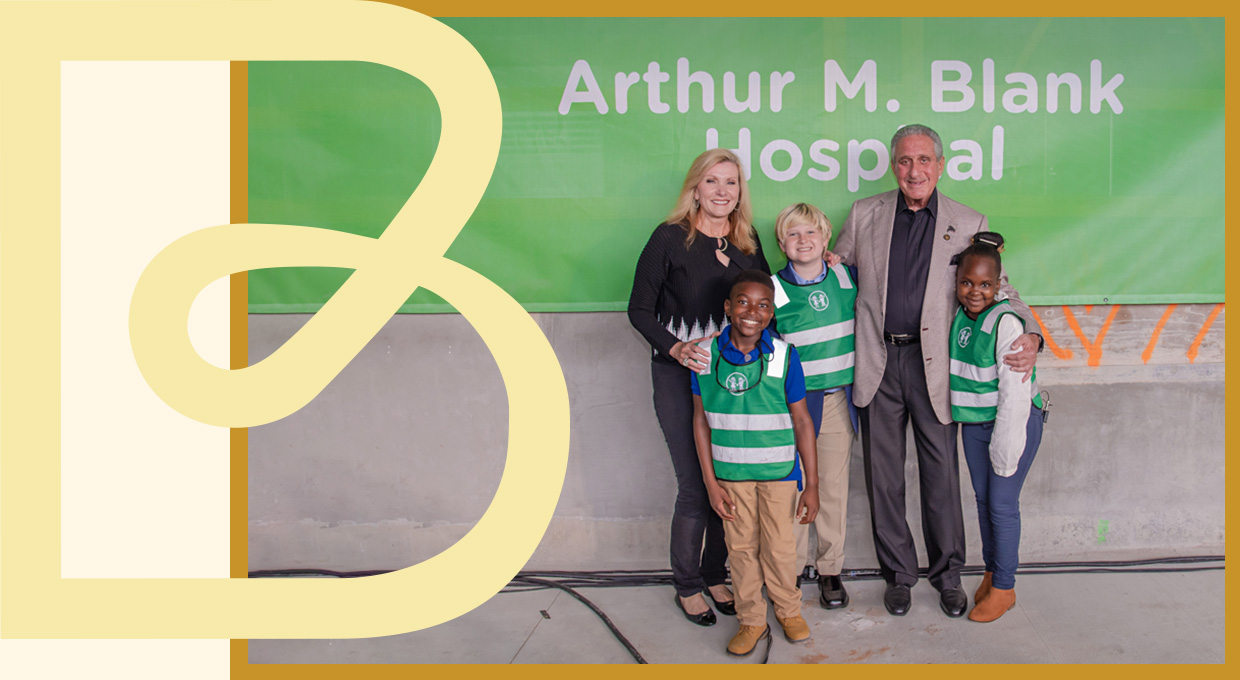
Shemeka is one of more than 920 women participating in the Georgia Resilience and Opportunity Fund’s In Her Hands guaranteed income program, supported by a $6.2 million grant from the Arthur M. Blank Family Foundation that supports 200+ women in Atlanta’s Westside. The grants support on the Westside provides female residents in Atlanta’s English Avenue, Vine City, Washington Park and Bankhead neighborhoods with guaranteed income over three years, addressing the income inequity and financial insecurity that disproportionately affects women.
For Shemeka, the program arrived at a critical moment—when she needed both financial stability and something more intangible: hope.
Originally from Nashville, Shemeka relocated to Atlanta in 2019 to expand her catering business, having spent a decade cooking for the Tennessee Titans. She takes pride in her three children: a daughter who graduated from nursing school and works at Vanderbilt University Hospital, a son who serves as a district manager for Kroger, and a 12-year-old daughter in seventh grade.
But in 2022, Shemeka’s world shifted dramatically. After unexpectedly becoming pregnant at 44, she gave birth to her son. Two months later, he passed away. The loss was devastating.
“I was going through hell,” she recalls. “I was depressed, wasn’t coming outside, wasn’t cooking. I got my son cremated, and I had to send his urn to my oldest daughter in Tennessee because I wouldn’t get off the couch.”
Shemeka learned about In Her Hands through Atlanta Parent Advocacy while supporting her daughter, who has special learning needs at a local KIPP Academy. When a postcard arrived, she decided to apply.
“I never win anything, but let me just try it,” she remembers. Learning during her interview that she would receive monthly payments over three years with no strings attached felt surreal. “Everything comes with a price, and just to know you can actually get that much money a month, no strings attached—it’s a miracle and it’s a blessing.”
The financial stability allowed Shemeka to address immediate needs—catching up on bills, buying school clothes without worry. More importantly, it gave her the breathing room she needed to heal.
The program enabled Shemeka to access grief counseling, which she couldn’t afford before. Initially attending sessions two to three times per week, she’s now down to monthly visits—a testament to her healing journey.
“By me having the money to do that, it made me come out of my shell and start being back social with people, because I had separated myself. I shut the whole world out,” she says.
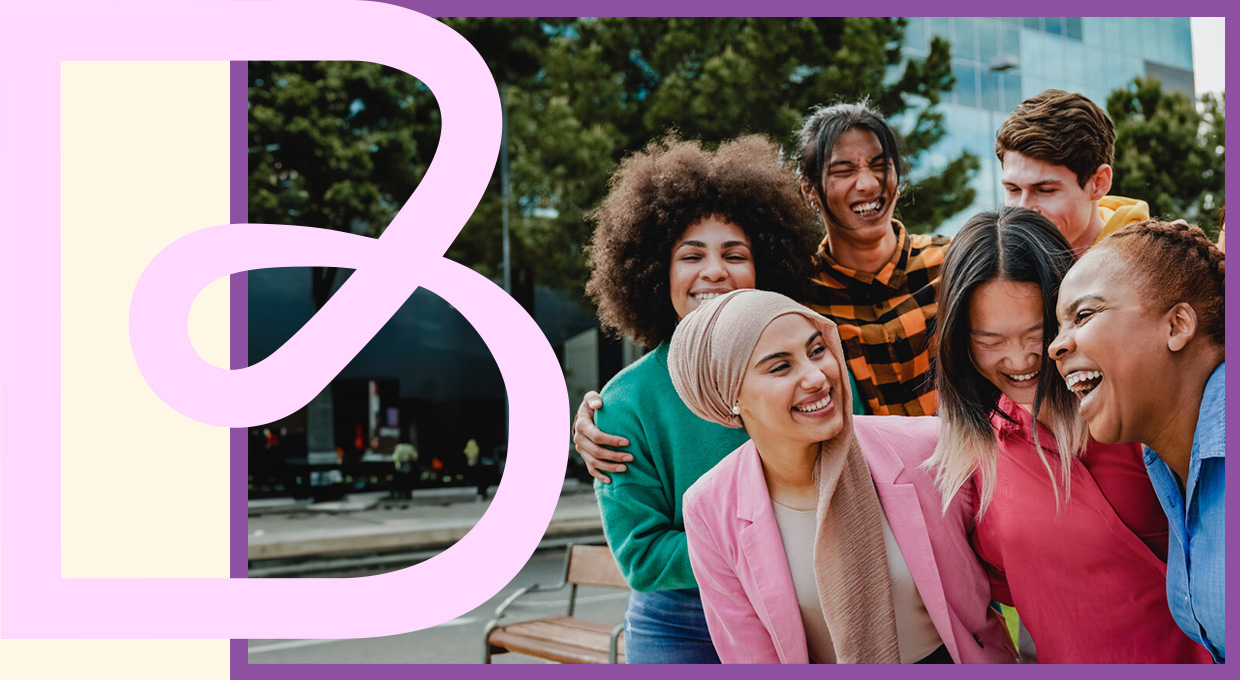
Beyond financial support, Shemeka found community through the program’s Community Advisory Council (CAC), an advisory group of participants who ensure the program remains responsive to community needs. The women have formed what she describes as a sisterhood—a safe space where real conversations happen.
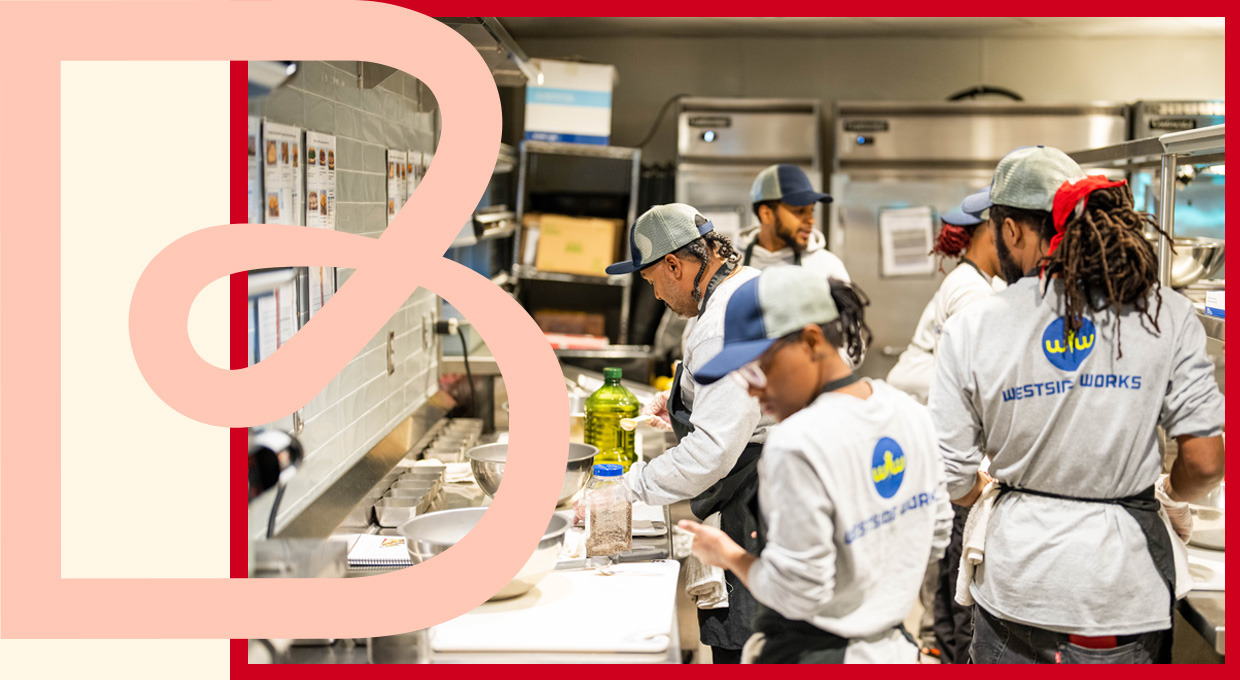
As Shemeka began to heal, she rediscovered her passion for cooking and serving others. She’s become known for grilling and offering food to passersby in her neighborhood. “People walk up and down the street, and I’m like, ‘You hungry? Want something to eat?’ That’s just me.”
She’s slowly rebuilding her catering business, which she plans to name “Chozen” with a Z after her late son. Her specialties—oxtails, turnip greens, macaroni and cheese, yams and ribs—reflect her commitment to soul food that nourishes both body and spirit.
The most significant moment in Shemeka’s healing came during a family trip to Florida in January. Her daughter’s drumline was performing in Tampa, and they extended the trip to Saint Petersburg. There, Shemeka brought her son’s urn to the beach.
“I was able to go and see the body of water that I longed for, and I was able to talk to him, talk to God, and just let it out there,” she recalls. “It was a whole sense of peace and a very spiritual experience. That was the moment this year that I was able to get that closure and accept his absence.”
Today, Shemeka’s catering business is gaining momentum. She recently catered a baby shower for the family of a local celebrity, and other opportunities are emerging. At 44, she’s even experimenting with makeup for the first time—a small but significant symbol of her renewed sense of self.
Her advice to others considering the program reflects her journey from despair to hope: “Put your pride to the side. Be vocal, be heard. Your feelings, your life, your existence—it matters. People are out there to help.”
Shemeka’s role on the CAC reflects her desire to expand the program’s reach. “I would love every female to know about this program, so they won’t miss out,” she says.
Her message to potential supporters is simple but powerful: “Invest in this program. There is nothing wrong with giving money away. We can’t take it with us. Why not spread it? “
Living just a few streets from Dr. King’s last home, and participating in a program inspired by his vision, Shemeka embodies the transformative potential of economic mobility initiatives. Her story demonstrates that guaranteed income programs don’t just address financial need—they provide the stability and dignity necessary for healing, growth and service to others.
Through In Her Hands, Shemeka discovered something profound: not just financial support, but a community of women who’ve become her sisters, a platform to help others, and the space to be authentically herself while building toward a future that honors both her loss and her resilience.
Stay up to date with stories of impact, grants in your neighborhood and other interesting foundation news.