








Go Back
Youth Development
Hospitality in Montana: A Path to Economic Mobility


The thriving hospitality and tourism industry in Montana offers a promising path for young people thanks to its dynamic and diverse nature. The state’s vibrant tourism sector, highlighted by the stunning landscapes of Glacier and Yellowstone National Parks, attracts a steady stream of tourists to Montana year-round. This creates job opportunities in hotels, restaurants and other service-oriented businesses. For young people, this industry provides a chance to develop a wide range of skills, including customer service, management, event planning and communication, which are all extremely valuable when expanding and exploring future career paths.
Montana’s Hospitality and Tourism Industry by the Numbers
According to the Montana Travel Research Program, in 2024, Montana welcomed approximately 13.7 million visitors to the state, who spent an estimated $5 billion during their trips. This spending directly supported 38,240 jobs and created nearly $1 billion in employee compensation in Montana, making tourism one of the largest employment industries in the state. Tourism also generated $308 million in state and local tax revenue, helping to fund essential public services, including infrastructure, education and public safety. Hotels, motels, guest ranches, resorts, campgrounds and short-term rentals account for approximately 30% of total visitor spending.
Career Opportunities for Young People
Careers in Montana’s hospitality industry offer a variety of entry-level positions that require minimal prior experience and may not require a college degree, making them accessible to young people seeking employment—from front desk staff to tour guides to kitchen and waitstaff. These jobs offer valuable work experience, skill development and the potential for career advancement. Additionally, the hospitality industry often offers flexible hours, which can be particularly beneficial for young people.
For those willing to invest time and effort, the hospitality industry offers significant potential for career growth. Entry-level positions can lead to supervisory roles, management positions and even ownership and entrepreneurial opportunities.
Opportunities for Rural & Indigenous Communities
As a cornerstone of Montana’s economy, hospitality provides substantial opportunities for young people from rural or Indigenous communities.
With rural areas often having limited employment opportunities, the hospitality sector can serve as a vital economic engine that impacts these communities through job creation, cultural preservation and infrastructure development. Rural areas depend on tourism to sustain local economies and create opportunities that might not exist otherwise. Tourism is not just a seasonal boost for these areas; it is often a lifeline. In communities like these with limited industries, a strong visitor economy creates essential jobs.
Investing in Workforce Readiness & Training
Investing in hospitality careers for young people in Montana is crucial for several reasons, ranging from personal and professional opportunities to economic growth and community development.
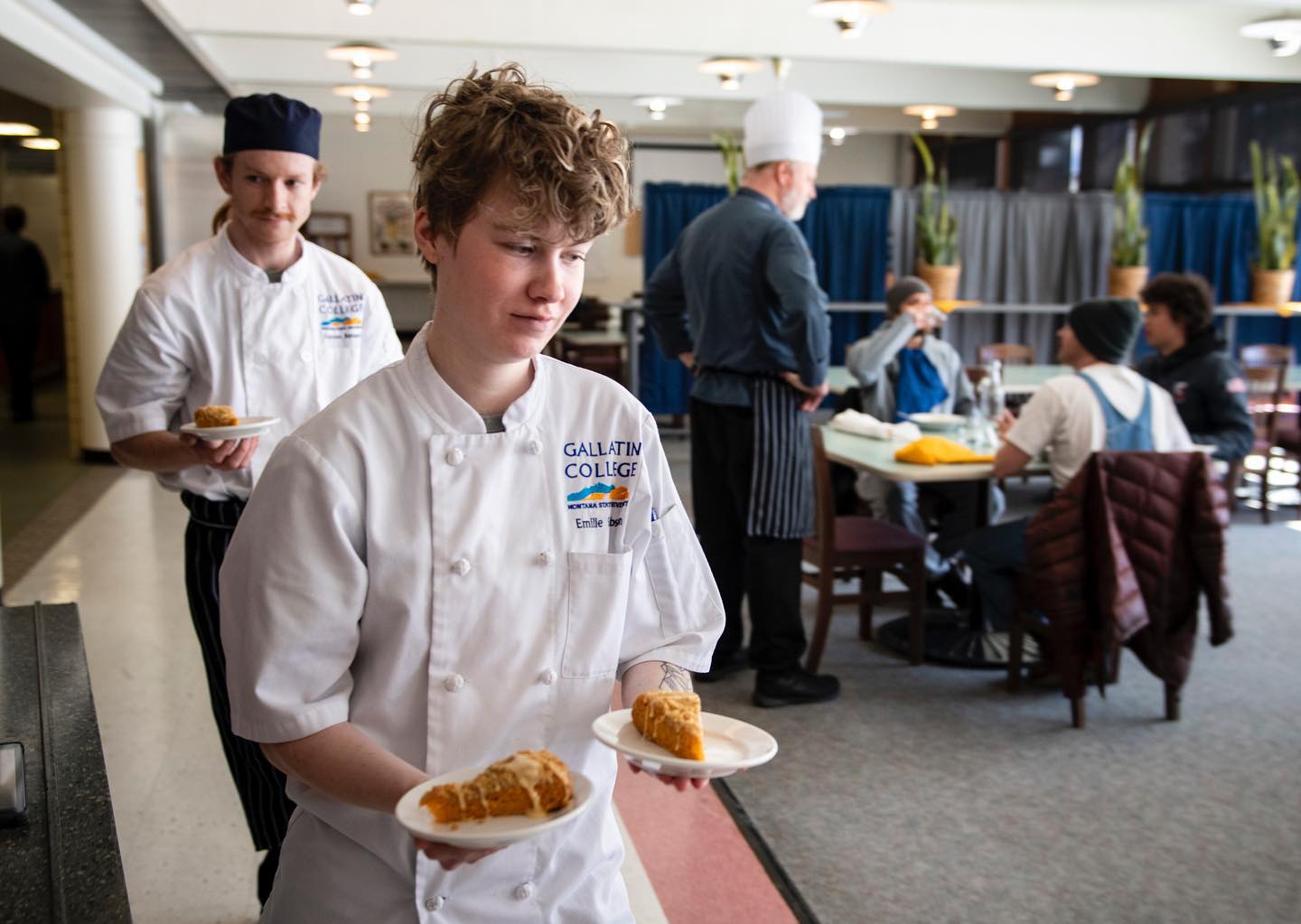
In August 2025, Gallatin College Montana State University (Gallatin College) began training students in hospitality through a one-year certificate program. The Certificate of Applied Science in Hospitality provides students with relevant training for the growing hospitality industry. The program combines instruction from culinary, business and hospitality to prepare students for entry- to mid-level positions required in small to large scale hospitality facilities. Coursework includes traditional and hands-on learning that aligns with Montana’s culture and booming tourism industry. Students completing the one-year certificate program may also choose to continue their education to earn a Bachelor’s degree in Hospitality Management.
The Arthur M. Blank Family Foundation has invested $1 million in the program to serve young people in Montana’s rural and Indigenous communities. This investment further aligns with the foundation’s Youth Development strategy in Montana with previous grants awarded to:
- Reach Higher Montana: $1.5 million to ensure Montana students, educators and businesses are supported by high-quality, accessible, relevant and measurable work-based learning opportunities. Reacher Higher facilitates the Montana Work-Based Learning Collaborative, which works to improve coordination among agencies and work-based learning partners to benefit the emerging workforce and local businesses.
- Accelerate Montana: $400,000 grant to bridge the opportunity gap for young people in rural and Indigenous communities in Montana by empowering them with valuable workforce development opportunities.
- Montana Chamber Foundation: $300,000 to grant to expand its workforce readiness and entrepreneurship training programs for rural and Tribal Youth. These programs develop entrepreneurial and employability skills, connect young people to employers to help them become aware of local career opportunities and build the skills and credentials to obtain jobs they are interested in.
- The Montana World Affairs Council: $25,000 grant to increase access to Econoquest, an in-person and online economic literacy program that engages rural and tribal high school students in learning about real-world economics and career opportunities.
- The National Forest Foundation: $20,000 grant to support the goal of the Mission Mountains Youth Crew Program to cultivate Indigenous youth land and wildlife stewards who are energized about their future. The program exposes youth living on the Flathead Reservation in Western Montana to career pathways in natural resources and helps build a bridge to college through a summer job program.
Hospitality is a high-growth industry in Montana, and the foundation’s goal with its Youth Development giving area is to improve economic mobility for rural and Native young people in the state. Continued investment in the growth of this industry will have profound and lasting benefits for Montana’s communities.
Insights from Local Experts
To learn more about hospitality opportunities in Montana, the foundation sought insights from three local industry experts:
- Hillary Folkvord: Hotelier & Entrepreneur (Sacajawea Hotel, RSVP Motel, Farmer’s Daughters Café)
- Hans Williamson: Chief Operating Officer, Yellowstone Club
- Mollie Bryan: General Manager, Element Bozeman
These three leaders provided valuable perspectives on the opportunities created by the industry, the benefits of the Gallatin College hospitality program and what they like to see from future leaders.
Q: Career opportunities in the hospitality industry in Montana are quite diverse, which might be a surprise for people who don’t know a lot about the state. How can that diversity drive career growth?
Hillary Folkvord: In Montana, our number one industry is tourism, which I don’t think everyone knows. Yellowstone National Park alone is visited by more than 4 million people per year. So, there are a lot of opportunities, and it’s a great industry to be a part of.
Hans Williamson: And it’s growing very fast. There’s a broad range of hospitality here, including airlines, fishing and hunting guides, hotels, restaurants, private club communities and ranches. It’s very broad-based. And that’s why we have nearly 14 million tourists per year coming to Montana. Everyone wants to come to Montana.
Mollie Bryan: What I love about hospitality in Montana is that it’s all over the state. It’s from Whitefish to Bozeman to Billings, and even in little towns like Gardiner and White Sulfur Springs. There is so much opportunity for finding a career in hospitality in Montana.
Q: What are some of the challenges and opportunities facing the industry and some of the solutions you’ve seen?
Hans: In hospitality, we have so many different types of jobs from the service staff to front office to housekeeping to bartending. We all need people. And that’s one thing about the hospitality industry. I think it’s viewed quite often as a stepping stone for other careers, but in itself it can be a great career. It’s a very hands-on business, but there are some key skills that are needed, like great communication skills.
And there are just so many job opportunities and so many ways to advance your career. While we all have great training programs, having some basic skills before you walk in the door is very beneficial for you if you’re looking for a career in hospitality.
Hillary: I always tell my younger team members that there’s so much opportunity in leadership when it comes to hospitality. If you’re motivated, kind and can communicate, you don’t need vast experience in hospitality. I see how quickly my team moves up and I continue to tell them that this is a great opportunity to really find your path in your career.
And the culinary opportunities in Montana right now are huge. In my restaurants, if you are an experienced chef and you have a good work ethic, you can pretty much name your price on what it’s going to take to bring you on board. If you are talented and motivated, it’s a great time to be part of the culinary scene in Montana. It’s changing so fast and the expectations are getting higher and higher.
Hans: The restaurant growth throughout the state is incredible. If you like to cook and you’re willing to learn the different positions in the kitchen, you could have a leadership role within a year or two, if you’re willing to really learn that trade. And the same goes for the service, bartending crews, front office and housekeeping.
Mollie: Also, look at all the hotels that are going to be opening up in the next year. Everybody needs a general manager. So, if there are five new hotels opening up in Bozeman in the next two years, plus more in Big Sky, that’s a lot of leaders that we need to fill those positions.
Hillary: And oftentimes when I’m in the hiring process, even for some of my leadership roles, I’m looking for individuals who have worked in every department in the hospitality industry. I want to see those who are very well-rounded, and being in a small business, we do everything. It’s okay if you don’t have leadership skills yet or if you haven’t been in a leadership position, because I can train that. But are they willing to make beds or wash dishes? Having those skill sets is very important.
Q: How does training or a one-year certificate set someone apart and help grow or advance their career faster?
Hillary: I think having someone that’s invested, knowing that this is their career path, is huge. I’ll hire young people to be in management positions if they know that this is their career path.
Hans: Having some of the basic skills that any job requires when you come into it are important. If you have those when you arrive on the job, you’re just going to advance your career so much faster versus having to learn on the job, which we all do and everyone needs to do. But if you do have some of these communication skills, some basic culinary skills, basic computer skills for the front office or reservations area, those help. And just knowing the basics on systems would give somebody a step up on other people that may be looking for those jobs.
Mollie: What I love about the idea of the one-year certificate is that people who choose to do it are going to be invested. The certificate program at Gallatin College gets students prepared and out into the workforce in a very reasonable amount of time.
Q: What’s been the benefit of building relationships with local businesses and institutions?
Hans: What’s been great about the MSU Hospitality Management and Culinary Arts Industry Advisory Committees that we’ve all been a part of, whether it’s the hospitality certificate program or the culinary program at Gallatin College, is there’s that collaboration between business and education. So, we make sure that there’s constant communication about what skills will make people successful in their jobs. So, it’s important that Gallatin College is asking what we need and what skills are important to us.
Hillary: And for a lot of these students, we can help place them in jobs because there are those relationships with the businesses and with the college. When they finish the program, they can pretty much decide where they want to go because the need is so great.
Mollie: I feel honored that Gallatin College is asking us for our feedback and input and then developing curriculum around that. It’s such an awesome opportunity to influence that. And I also love the opportunity to mentor. I remember mentors in my life and the impact they had on the direction I went and the success I achieved. So, to be part of that is quite special.
Q: What are the best parts about working in hospitality in Montana?
Hillary: There’s a lot of different ways to grow in hospitality. Even as we’re getting into the media business and the digital space, there’s a huge opportunity for digital and media companies that are solely focused on tourism and hotels. There’s a huge growth in the online space in Montana.
Hans: We’re lucky to have the great outdoors as a recruiting tool. But also, when I first moved to the state 18 years ago, it seemed like a challenge for a lot of students or they felt they need to go out of the state to get a job. There are so many jobs and career opportunities available in Montana, certainly within our businesses, that you can have a career here and you don’t have to move to another state. And we want our folks to be involved in those great outdoor activities because they promote them to our guests. It’s important to know about Montana and love Montana. It’s hard not to.
Mollie: What I love about hospitality in Montana is we get to live here and do something that we love. We get to be in this beautiful place in an awesome community with people that we spend time with. I just feel so grateful for the opportunity. And now you can go to Gallatin College, get a one-year certificate and be successful anywhere in Montana. The opportunities are endless!
The Path to Future Success
The hospitality industry in Montana is poised for more significant transformation as it adapts to evolving trends and consumer expectations. With its growing appeal as a tourist destination, Montana offers unique opportunities for innovation and growth in hospitality. The trend towards experiential travel is also reshaping how hospitality services are offered. Visitors to Montana are increasingly seeking authentic and immersive experiences, such as guided wildlife tours, ranch stays and participation in local cultural events.
With programs like the new one-year hospitality certificate at Gallatin College, young people in Montana now have a clearer path from entry-level positions to successful and sustainable careers right in Montana. Big opportunities and big expectations are now a reality for young people in Big Sky country.
Photo credit: Kevin League
Related Articles
New $10 Million Grant From Arthur M. Blank Family Foundation Deepens Relationship Between First Tee, PGA TOUR Superstore
Since 1999, the Arthur M. Blank Family Foundation has contributed more than $25 million to...
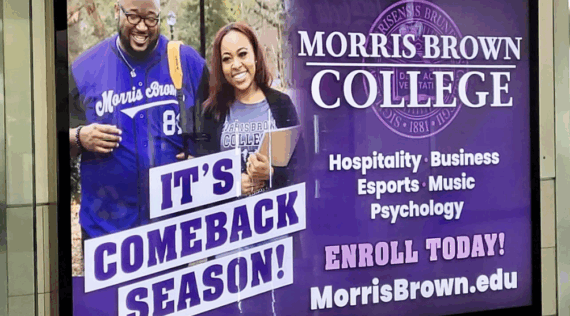
It’s Comeback Season: Morris Brown College’s Digital Hospitality Program
Morris Brown College (MBC) in Atlanta was founded in 1881 by the African Methodist Episcopal...
Stay Connected
Stay up to date with stories of impact, grants in your neighborhood and other interesting foundation news.
By submitting this form, you are consenting to receive marketing emails from: Arthur M. Blank Family Foundation. You can revoke your consent to receive emails at any time by using the SafeUnsubscribe® link, found at the bottom of every email. Emails are serviced by Constant Contact